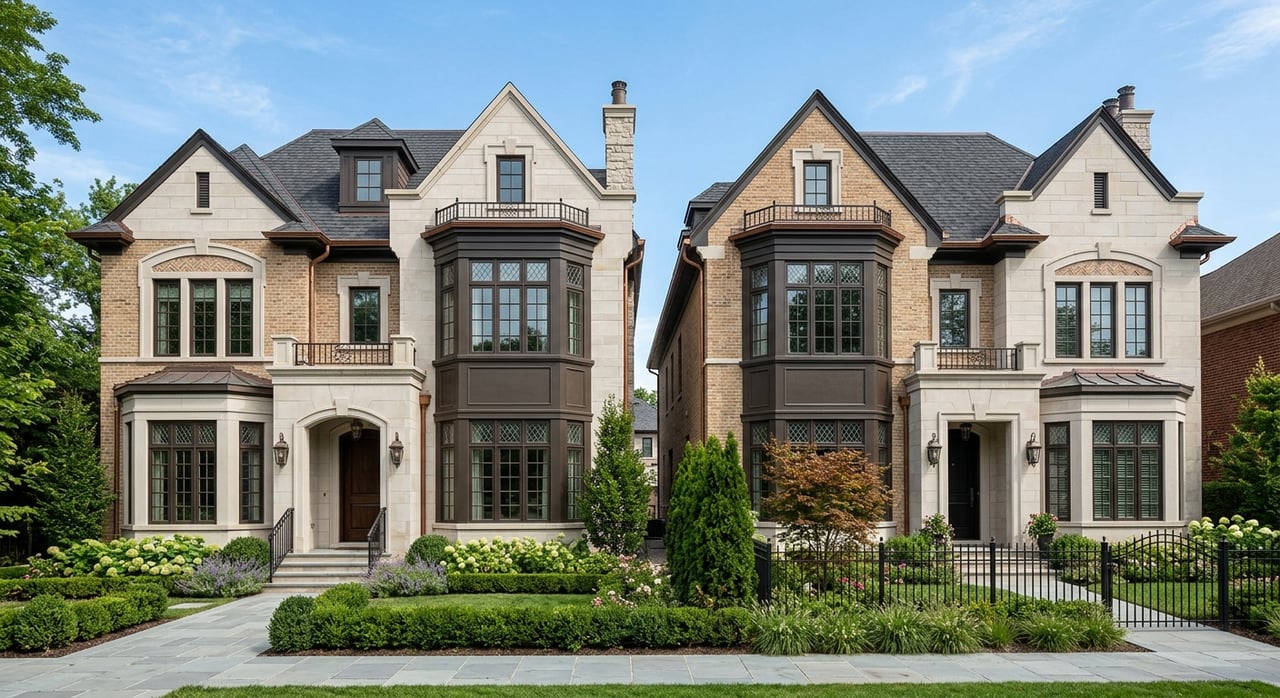
Frisco Second Home Investment Guide for Smart Buyers
April 16, 2026
April 16, 2026
If you're thinking about buying a second home or investment property in Frisco, you're not alone. Frisco continues to draw long-term buyers with steady growth, major entertainment destinations, and a strong economic base, but buying here takes more than spotting a beautiful home online. You need to understand taxes, rental rules, HOA limits, and how each part of the city functions day to day. This guide will help you evaluate Frisco more strategically so you can make a confident decision. Let’s dive in.
Frisco has the kind of fundamentals that catch the attention of both lifestyle buyers and investors. The city estimates its population at 245,470 as of January 1, 2026, and reports 3.1% growth from 2023 to 2024, with long-term build-out potential of 365,000 residents, according to the City of Frisco at a glance report.
That growth story is paired with strong local demographics. The same city report notes a median household income of $145,444, a highly educated population, and renter-occupied housing at 36.3%. For you, that can mean a market supported by both owner-occupants and renters, depending on your goals.
Frisco also benefits from a large visitor economy and a broad employer base. The city’s 2024 Annual Comprehensive Financial Report cites 7.5 million visitors and an estimated $2.4 billion economic impact, along with major employers that include Frisco ISD, the Dallas Cowboys, the City of Frisco, HCL Technologies, Keurig Dr Pepper, and Oracle.
Before you buy, it helps to understand the current pace of the market. Redfin’s February 2026 Frisco housing snapshot shows a median sale price of $620,000, homes selling in about 71 days, and a sale-to-list ratio of 96.7%.
Those numbers suggest a market that still has demand, but not the same urgency seen in a peak seller’s market. If you're buying a second home or investment property, that can give you more room for due diligence, more time to compare locations, and a better chance to focus on the numbers rather than rushing into a purchase.
One of the most important details in Frisco is the exact address. Frisco spans Collin and Denton counties, and that affects your tax path and other local details, as outlined on the city’s Tax Administration page.
The exact location can also affect the school district tied to the property. Some Frisco addresses fall within Frisco ISD, while others may be in Prosper, Lewisville, or Little Elm ISD territory, according to the same city source. Even if schools are not your top priority, district boundaries can still shape buyer demand, resale conversations, and property taxes.
For second-home and investment buyers, this is a practical reminder that “Frisco” is not one uniform buying experience. Two homes with similar price points may come with different tax structures, HOA policies, and neighborhood dynamics.
Property taxes can change the math quickly, especially if you are buying for part-time use or income. Frisco’s posted FY2025 rates list a city tax rate of 0.425517 per $100 of value, while county and school district portions vary by location, according to the city’s Tax Administration resources.
Taxes are due October 1 and become delinquent January 31 of the following year. If you are buying from out of area, that deadline is important to build into your planning and cash flow.
You should also know that the general homestead exemption applies only to a primary residence. Collin CAD states that only a homeowner’s principal residence qualifies, which means a second home or investment property in Frisco will generally not receive homestead treatment. That alone can create a meaningful difference in annual ownership costs.
Purchase price is only one part of the cost picture. Some newer Frisco neighborhoods may include Public Improvement District assessments, often called PIDs. The city explains that Panther Creek PIDs were created to finance and maintain amenities such as landscape, open space, lakes and fountains, parks, shade structures, and pedestrian improvements.
Those amenities may add appeal, but they can also add ongoing cost. If you are comparing communities, make sure you are reviewing the full monthly and annual ownership burden, not just mortgage and base taxes.
HOAs matter just as much. Frisco has nearly 150 HOAs, and the city notes that leadership, management, communication, and fiscal responsibility are important neighborhood factors on its Neighborhoods page. For you, HOA documents are not a formality. They are a major part of due diligence, especially if you plan to lease the property.
If your strategy includes rental income, confirm the legal framework before you make an offer. For short-term rentals of less than 30 days at a time, Frisco requires short-term rental registration before operation and charges a $300 annual fee per property.
Owners must also collect and remit a 7% local occupancy tax, in addition to the state’s 6% tax. The city states that unregistered short-term rentals may be fined and barred from future registration, so this is not an area where you want to make assumptions.
Just as important, city registration is only one layer. HOA rules may still restrict or prohibit rentals, including short-term leasing, so both city compliance and neighborhood restrictions need to be reviewed together.
The best area for you depends on how you plan to use the property. If the home is for personal enjoyment, guest use, or furnished rental potential, proximity to major destinations may matter as much as square footage.
Frisco’s Rail District offers a more central, character-rich setting with growing walkability. The city reports investing more than $80 million in downtown redevelopment to improve public gathering spaces and the overall district experience.
There is a tradeoff, though. The same city update notes that Main Street construction began in July 2024, and 4th Street Plaza plus a public parking garage are expected to finish in Q2 2026. If you're considering this area, make sure you weigh long-term appeal against near-term construction and parking conditions.
North Frisco is centered around destination-scale amenities. The city’s golf and destination overview highlights PGA Frisco, a 660-acre public-private partnership with two championship golf courses, a resort, and the PGA of America headquarters.
The same source notes that The Star spans 91 acres and includes the Dallas Cowboys headquarters and training facility, Ford Center, and mixed-use development. For a second home or guest-oriented property, access to these destinations can be a major advantage.
Some of Frisco’s newer areas offer newer housing stock and expanding infrastructure, but they may still be in a buildout phase. The city’s Future Parks plan points to projects like Collinsbrook Farms Park near PGA Parkway and Coit Road, along with trail extensions designed to improve connectivity.
That can support long-term livability and future convenience, but it may also mean ongoing development around you for a period of time. If your priority is immediate maturity and predictability, this is worth discussing before you buy.
In Frisco, convenience matters. The city notes that public transit is limited and is mostly curb-to-curb demand response through DCTA.
That means day-to-day function often comes down to parking, road access, and how easily you can reach errands, dining, entertainment, or major routes. For a second home, that may shape how often you use the property. For an investment property, it can affect appeal to future tenants or guests.
A smart Frisco purchase starts with realistic cost modeling. The city’s 2026 at-a-glance report lists median monthly owner costs of $3,491 and median monthly renter costs of $2,200, which is a useful reminder that ownership expenses go well beyond the purchase price.
If you are evaluating an investment property, build in:
Frisco’s strong employer base, large student population, and visitor activity support year-round housing demand, based on the city’s 2024 ACFR. Still, your outcome will depend on buying the right property in the right location under the right rules.
Before you move forward on any second home or investment property in Frisco, confirm these items:
When you take this approach, you avoid buying based on surface-level appeal alone. You buy with a clear understanding of costs, flexibility, and long-term fit.
Buying a second home or investment property in Frisco can be a smart move, but the best opportunities usually come from careful research, not guesswork. If you want help comparing neighborhoods, reviewing ownership costs, and narrowing down properties that fit your goals, Teona Harris can provide the local guidance and concierge-level support to help you move forward with confidence.

Teona Harris is dedicated to helping you find your dream home and assisting with any selling needs you may have. Contact Teona today to start your home searching journey!