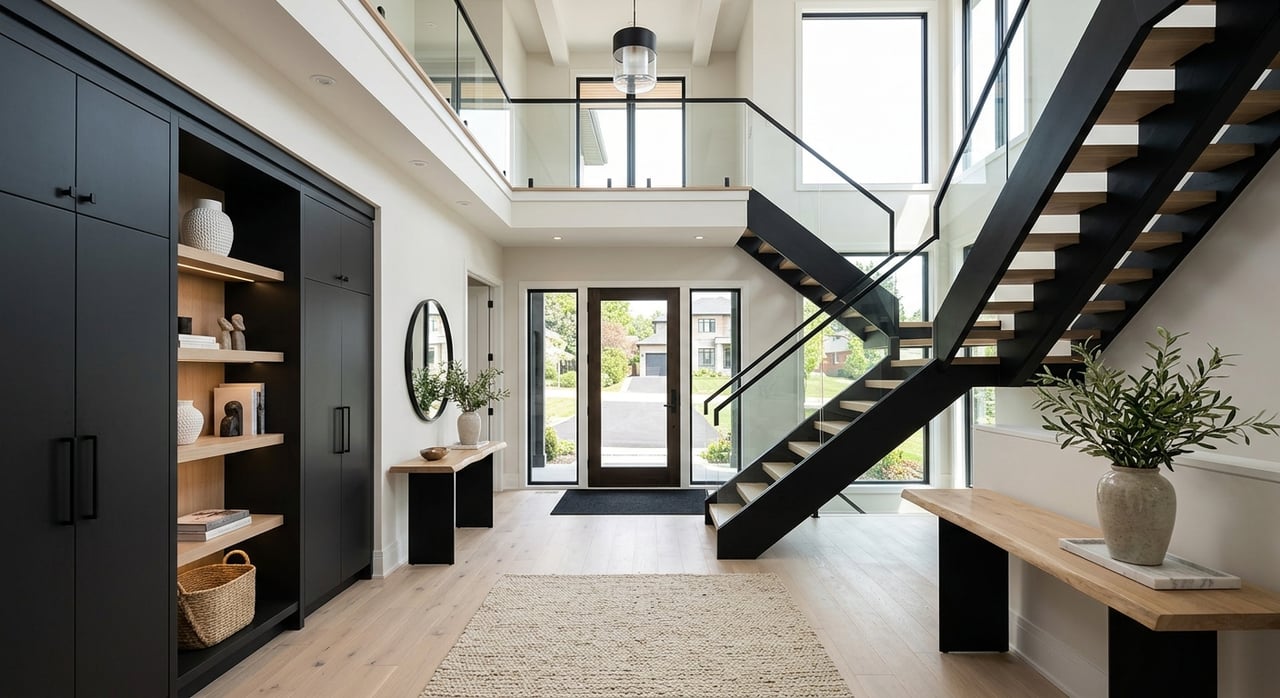
Buying In A Frisco Community Or Building Custom: How To Decide
June 18, 2026
June 18, 2026
Choosing between a home in a Frisco community and a fully custom build can feel exciting and overwhelming at the same time. You may love the idea of a quicker, more predictable path, or you may want a home shaped around your exact needs and lot preferences. Either way, the right choice starts with understanding how Frisco’s development rules, costs, and timelines affect your options. Let’s dive in.
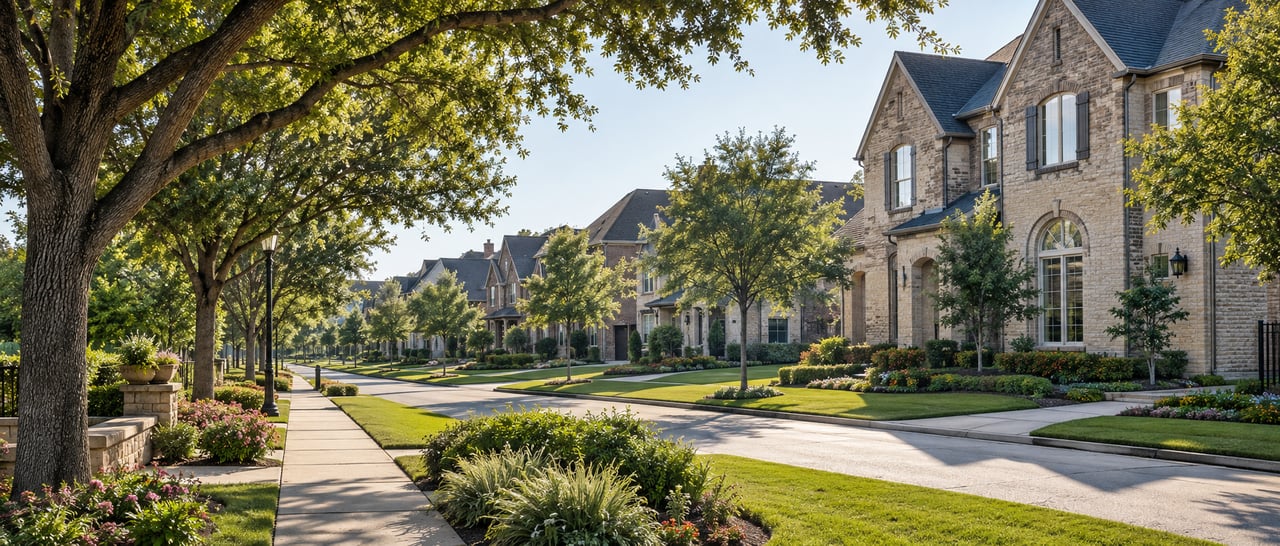
Frisco continues to be an active new-construction market. The city’s 2025 development report shows 1,084 new single-family permits issued, and its comprehensive-plan materials indicate Frisco is working through the remaining 13% of vacant land.
That matters because your choices are broad, but they are not unlimited. As land becomes more defined by existing development patterns, planned developments, and city standards, the difference between buying in a builder community and building custom becomes more important.
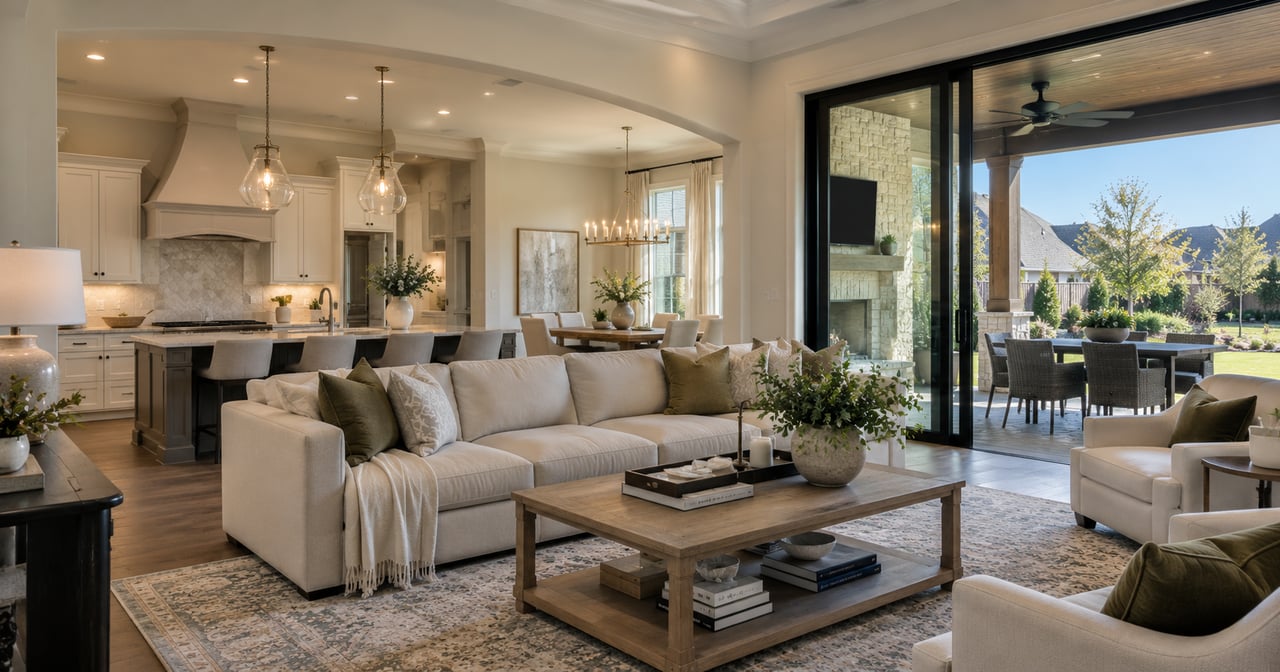
A community or production-builder home typically means you are choosing from predesigned floor plans on a builder-controlled homesite. You may have a menu of finishes, elevations, and upgrades, but the overall design process is usually more streamlined.
For many buyers, that creates a simpler experience. You often get a clearer starting price, a more structured timeline, and fewer design decisions to manage from scratch.
If you value speed, structure, and a more defined process, a Frisco community home often fits well. This model works especially well if you are relocating, balancing a home sale and purchase, or trying to reduce decision fatigue.
It can also make budgeting easier. While upgrades and lot premiums still matter, the path is usually more standardized than a custom project.
According to the National Association of Home Builders, a custom home typically starts with the land and a design created specifically for the buyer. The builder usually spends more time on each project, and the process involves more direct coordination around design, site use, and construction.
That flexibility is the main appeal. If you want a particular lot orientation, privacy, room layout, or architectural style, custom building may give you more control than a production community can.
Custom building can be the better option when your priorities are highly specific. You may want a deeper setback, a certain garage placement, or a plan that responds to how you live day to day.
In Frisco, though, custom does not mean unlimited. City permit requirements, zoning rules, subdivision standards, engineering review, and planned development regulations all shape what can be built on a given parcel.
One of the biggest surprises for buyers is how much the lot itself can influence the house. Frisco publishes residential permit guidance and front-entry lot layout guidelines that address setbacks, garage standards, driveway design, and impervious-surface rules.
The city also notes that planned developments can modify base zoning standards. In practical terms, that means two lots in different parts of Frisco may allow very different design outcomes, even if they seem similar at first glance.
Before you fall in love with a custom vision, it helps to confirm what the lot can actually support. Front-yard setbacks, driveway placement, garage orientation, and other design controls can affect the footprint and look of the home.
This is one reason custom building requires more early diligence. In Frisco, the lot can limit the house just as much as the house defines the lot.
Timeline is often the clearest dividing line between these two paths. A community home usually follows a more repeatable builder process, whether the home is move-in ready, under construction, or built from a preselected plan.
A custom build tends to involve more stages before construction even begins. You may need time for land selection, design, plan review, permits, contractor coordination, and lender approval before vertical construction starts.
Because production builders work from established plans and processes, there are often fewer unknowns. That can be valuable if you need to coordinate a lease ending, a job relocation, or the sale of another property.
This does not mean there are never delays, but the framework is generally more predictable.
With custom construction, your timeline depends on more than just the build itself. Frisco requires permits for new home construction, uses electronic review, and requires contractors to be registered and current before most permits can be submitted.
That added coordination can be worthwhile if personalization is your top goal. Still, you should expect more decision points and more variables along the way.
Financing is another major difference. Custom homes often involve construction financing rather than a standard purchase mortgage.
The Consumer Financial Protection Bureau explains that construction loans generally have higher rates than longer-term mortgages, funds are advanced in stages as work progresses, and payments can begin six to 24 months after the loan is made. If the loan does not automatically convert, you may need to reapply for permanent financing.
If you are considering a custom build, ask detailed questions early. Fannie Mae notes that construction-to-permanent financing may be structured as either a single-closing or two-closing transaction, with conversion to a long-term mortgage only after construction is complete.
You should also ask about deposits. The CFPB notes that builders may request an upfront deposit on homes not yet built, so it is smart to confirm when a deposit is refundable and whether you can compare lenders.
It is easy to focus on base price and upgrade budget, but your monthly cost picture in Frisco can be broader than expected. The City of Frisco states that tax statements in Collin County include City of Frisco, Collin County, Collin County Community College District, and Frisco ISD taxes.
That means the right comparison is not just purchase price versus construction cost. You also want to look at total carrying cost over time.
Neighborhood fees can change the math, especially in newer communities. Frisco’s Panther Creek PID page explains that PID assessments were used to finance community improvements and that some homeowners still pay those assessments over time, while HOA fees cover ongoing maintenance and operations for amenities.
If you are comparing homesites or neighborhoods, ask whether a property has any remaining PID assessment or similar district charge. Two homes with similar sale prices may carry different monthly obligations.
Site planning is especially important if you are building custom. Frisco’s private-development guidance says issues near streams should be considered early in the process.
Insurance considerations matter too. The CFPB advises buyers to ask about flood and disaster risk because higher-risk properties can be harder or more expensive to insure.
Before moving forward on a lot, it helps to understand whether there are physical or regulatory conditions that affect cost, layout, or insurability. That is true whether you are buying land for a custom home or evaluating a homesite in a new community.
A little due diligence early can protect both your budget and your timeline.
For many buyers, school attendance boundaries are an important part of the search. Frisco ISD states that students are served based on attendance zones and advises buyers to search by exact address or subdivision.
The City of Frisco also notes that attendance-boundary decisions are made by the school district, not the city. That means you should verify assignment based on the specific property you are considering, rather than relying on general assumptions about an area.
If your top priority is speed, predictability, and fewer design decisions, buying in a Frisco community is often the better fit. You will usually have a more structured process and fewer unknowns to manage.
If your top priority is control over the lot, layout, and design, building custom may be the stronger choice. Just be prepared for more financing coordination, more approvals, and a process shaped by Frisco’s site and development standards.
Use this checklist to compare both paths clearly:
The right choice is the one that fits your timeline, budget structure, and level of customization. If you want a clear, private strategy for comparing Frisco community homes with custom-build opportunities, Teona Harris can help you evaluate the options with a concierge-level, detail-focused approach.

Teona Harris is dedicated to helping you find your dream home and assisting with any selling needs you may have. Contact Teona today to start your home searching journey!