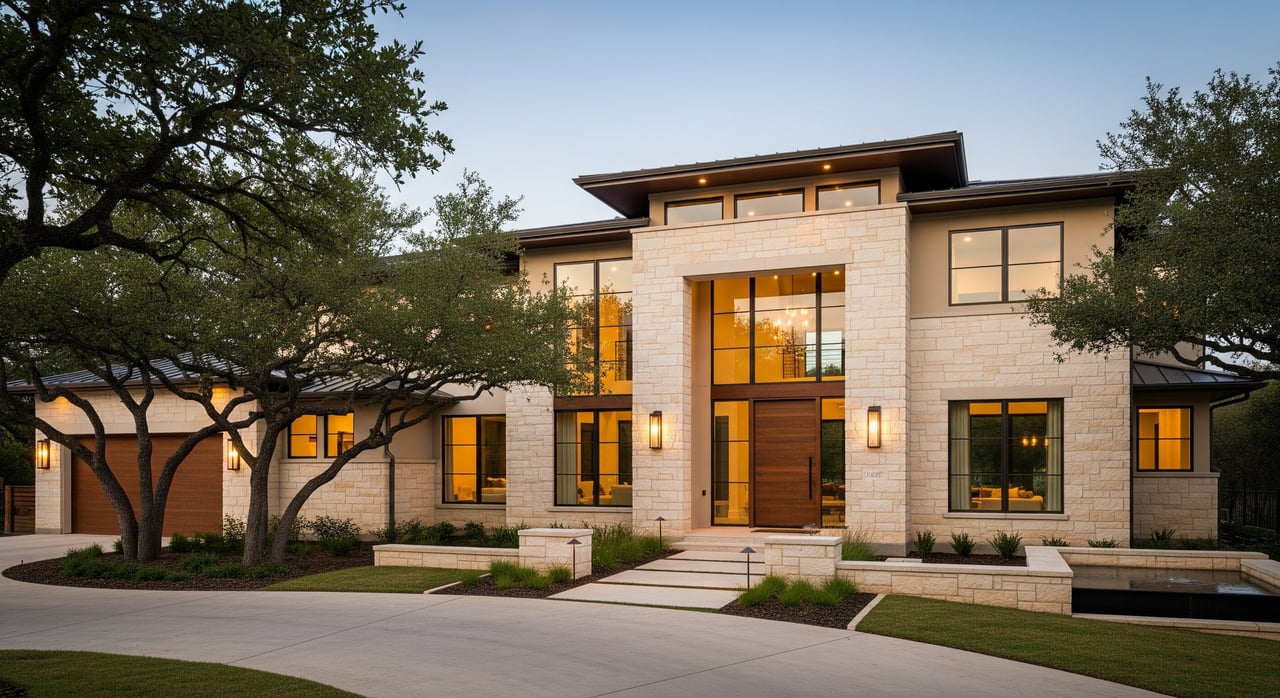
How To Price Your Frisco Home With Confidence
December 25, 2025
December 25, 2025
Pricing your home too high can stall your sale. Pricing too low can leave money on the table. In Frisco, where new construction, lifestyle amenities, and price bands all influence demand, the right list price is both a science and an art. You want a strategy that is data-driven, realistic, and built for today’s buyers. In this guide, you’ll learn a clear process to price your Frisco home with confidence, from CMA fundamentals and market metrics to appraisal planning and net proceeds. Let’s dive in.
Frisco sits in a fast-growing corner of the Dallas–Fort Worth metroplex. Demand comes from corporate relocations, master-planned communities, and buyers who value local amenities like retail, sports, and commuter access. New construction is active in many neighborhoods, which can set price ceilings and compete with resale listings.
Price segmentation is real. Entry-level resale homes, premium suburban properties with larger lots, and luxury homes all move at different speeds. Neighborhood amenities, proximity to major roads, and community features can shape buyer interest and pricing expectations.
To stay current, review fresh, local data with your agent. Focus on:
Your Comparative Market Analysis is the backbone of an accurate list price. It aligns your home with the most relevant sold, pending, and active listings.
Choose sold homes from the same subdivision when possible. Aim for properties within 0.25 to 0.5 miles, similar style and age, and sales within the last 3 to 6 months. Adjust for finished square footage, lot size, pools, upgrades, and garage count so you compare apples to apples.
Buyers compare your home to what they can visit this week. Include pending and active listings to understand how your home stacks up on features and price. This shows where you should position your list price to compete and win showings.
Price per square foot is a quick filter, not a final answer. Lot premiums, floor plans, finish levels, and builder upgrades can swing values. Use price per square foot as a range, then refine with full-comps and on-the-ground context.
Market conditions should shape your pricing posture.
Your strategy depends on your goals, timeline, and the data.
Many buyers filter by price brackets such as 400,000 or 800,000. Small adjustments like 799,900 can place your home in a broader search set. Know where the cutoffs are in your segment.
Expect most interest early. If you see limited showings or weak feedback after two to three weeks, consider a targeted price or strategy adjustment with your agent.
Instead of a price cut, a closing-cost credit or home warranty can improve value for buyers while preserving your list price. Match the incentive to common buyer concerns in your price range.
A pre-list inspection helps you spot and address issues early. You can fix items, offer credits, or price accordingly. This reduces the risk of late-stage renegotiations.
Small, high-visibility improvements in kitchens and baths, fresh paint, and basic landscaping can deliver a strong return. Compare costs to likely price reductions if left undone.
Professional staging and photography elevate perceived value and can justify a stronger price position. Quality visuals and thoughtful presentation influence both online clicks and in-person impressions.
If the contract price is above the appraised value, buyers may need to bring additional cash or renegotiate. In competitive markets, some offers include appraisal-gap language that can protect your contract price.
Provide a packet for the appraiser that includes recent comps, a list of upgrades with dates and costs, permits, and HOA documents. For unique or upper-tier homes, a pre-list appraisal can set informed expectations and help avoid surprises.
Builders can set price ceilings through base pricing, lot premiums, and incentives. If your neighborhood has active new construction, buyers will compare your home to brand-new options.
Differentiate with condition and convenience. Emphasize upgrades, shade trees or established landscaping, window treatments, and immediate move-in readiness. Watch builder incentives and time your launch when competing inventory is lower if possible.
Before you finalize a list price, understand how your sale price translates to cash in hand. Work with your agent and title company to estimate payoffs, fees, and credits.
Example only. Use this as a starting point, then request precise estimates for your situation.
| Item | Estimate |
|---|---|
| Contract sale price | $800,000 |
| Less: mortgage payoff | $450,000 |
| Less: commission (example 5 to 6 percent, negotiable) | $44,000 to $48,000 |
| Less: title policy and closing fees | $3,000 to $5,000 |
| Less: property tax prorations | Varies by closing date |
| Less: HOA resale certificate and transfer | Community specific |
| Less: agreed repairs or buyer credits | If applicable |
| Estimated seller net | Sale price minus all above |
Typical seller line items in Texas include commission, a title policy, recording or transfer-related fees where applicable, prorated taxes and HOA dues, any repair credits, and your mortgage payoff. Special assessments, MUD disclosures, and HOA transfer charges may apply in some subdivisions.
You deserve pricing advice built on current Frisco data, expert presentation, and a clear negotiation plan. If you want a discreet, concierge-level strategy for positioning your home to win in today’s market, connect with Teona Harris. Request a private market consultation and get a custom pricing plan for your home.






Teona Harris is dedicated to helping you find your dream home and assisting with any selling needs you may have. Contact Teona today to start your home searching journey!