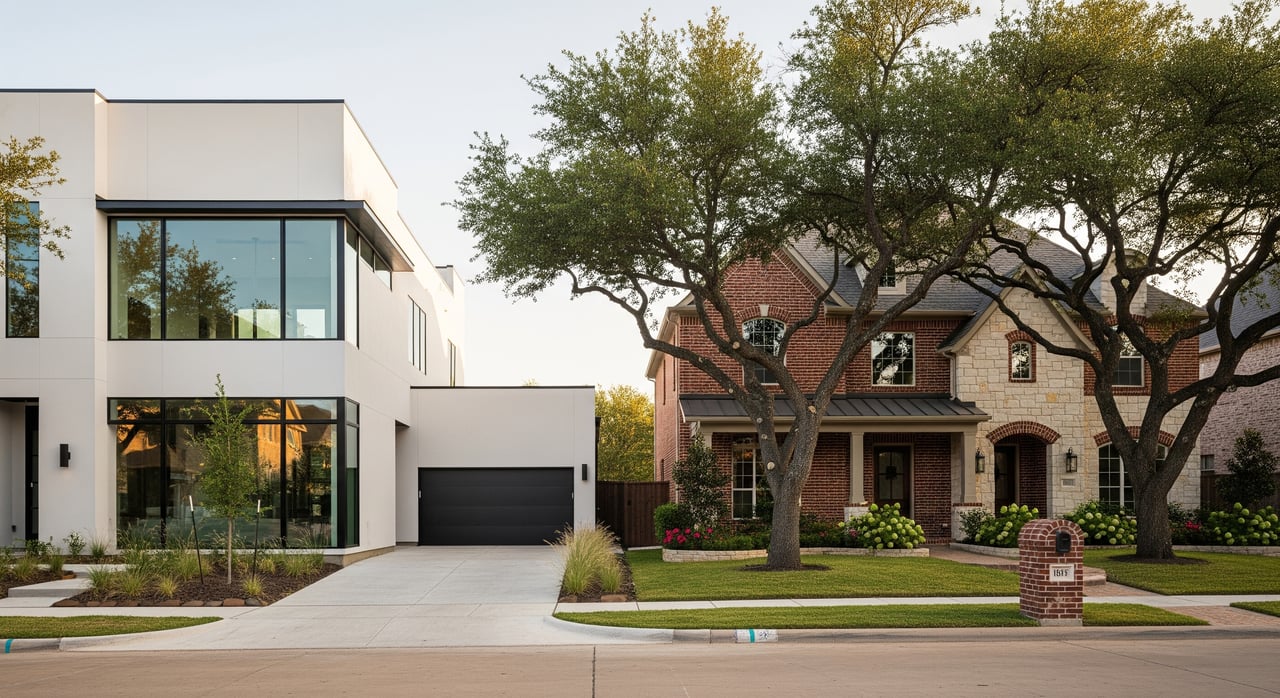
New Construction vs. Resale In Frisco: A Buyer Guide
December 11, 2025
December 11, 2025
Choosing between a brand-new build and an established resale in Frisco can feel like two great options pulling you in different directions. You want the right home, at the right price, on the right timeline, with as few surprises as possible. In this guide, you will compare costs, taxes, timelines, warranties, and financing details specific to Frisco and Collin County, plus get a practical checklist to help you decide with confidence. Let’s dive in.
Frisco sits within the fast-growing Dallas–Fort Worth metro, and Collin County’s population and job growth continue to support housing demand. The city features master-planned communities, active new construction, and established resale neighborhoods. Local planning and permitting guide community features and timelines, so it helps to review the City of Frisco Planning and Development resources when you are considering a specific area. School district boundaries are a common factor in buying decisions, and you can review updates directly with Frisco ISD.
New builds offer a high level of customization. You can choose floor plan, lot orientation, structural options, and finishes at a design center. This can be ideal if you want a particular layout or premium kitchen and bath selections.
You usually benefit from lower short-term maintenance costs because all systems and appliances are new. Most builders provide a structured warranty, often called a “1-2-10,” which commonly covers workmanship for one year, major systems for two years, and structural components for ten years. For background on common warranty practices, review consumer resources from the National Association of Home Builders.
Builders regularly offer incentives. You may see closing cost contributions, upgrade credits, or mortgage rate buydowns, especially when using the builder’s preferred lender. These programs can be valuable, but always compare the net cost across multiple lenders.
Final pricing can climb with options and upgrades, and price per square foot may be higher in popular subdivisions. In addition, some new communities are financed with Municipal Utility Districts, known as MUDs. MUD taxes add to your annual costs until bonds are retired, so confirm whether a MUD applies and at what rate.
Timelines can vary. You may close quickly on a completed inventory home, or you may wait several months for a build from the ground up. Construction delays can occur due to weather or supply chain issues. Contracts for new builds also differ from resale. Many builders use their own agreements or Texas Real Estate Commission forms with unique terms, so review inspection rights, completion protections, and deposit rules carefully. Explore contract basics with TREC forms and guidance.
Resale homes are move-in ready on a shorter timeline, which can be helpful if you are relocating on a fixed schedule. You can often negotiate with individual sellers on price and repairs, guided by comparable sales and inspection findings.
Established neighborhoods offer mature trees, finished landscaping, and a clear view of how the community lives day to day. Amenities, nearby retail, and commuting patterns are already in place, which can make it easier to assess long-term fit and resale demand.
Older systems and finishes may require updates or replacement sooner, so plan a renovation or maintenance budget. Layouts are fixed unless you remodel, which takes time and money. During the option period in Texas, your inspection will highlight condition and repair needs you can address with the seller, but the overall scope of change is limited compared to a new build.
Property taxes are a major consideration. In Texas, appraisal districts assess value annually. New construction can see higher appraised values once complete, and both new and resale homes may experience increases with market appreciation. You can review appraisal and exemption information with the Collin County Appraisal District.
If the property is in a MUD or similar district, that assessment will be part of your yearly tax bill. Factor in HOA dues and any special assessments that support community amenities and maintenance.
Insurance should also be part of your cost review. North Texas is known for wind and hail events, which can influence premiums and deductibles. The Texas Department of Insurance offers guidance to help you evaluate coverage options.
Resale timelines are often shorter. In a typical Texas resale purchase, you will negotiate an option period for inspections, request repairs or concessions, finalize financing, then close. Possession usually occurs at closing.
New construction timelines depend on availability of spec or quick-move-in homes versus a to-be-built plan. Builder contracts can handle inspections differently and may limit termination rights or set specific rules for earnest money and design deposits. Read all builder terms carefully and ask questions before signing. For general contract resources, visit Texas Real Estate Commission.
Builder incentives, such as rate buydowns or closing cost credits, can be compelling, especially when tied to a preferred lender or title company. Compare offers across multiple lenders so you understand rate, fees, and lock terms after incentives. The Consumer Financial Protection Bureau provides tools to help you evaluate mortgage options.
Appraisals can be straightforward for resale homes, where recent comparable sales are usually available. New builds can be more challenging if there are not many closed sales of similar finished homes. Your lender’s appraiser may need to use comps from nearby phases or communities to validate value.
Master-planned communities in Frisco often feature modern amenities like pools, trails, and amenity centers, along with coordinated design guidelines. Resale neighborhoods can offer larger lots or a distinctive streetscape with mature landscaping. Either way, review HOA rules and architectural controls so you understand any limits on exterior changes.
Also consider future growth and nearby projects. Frisco is active from a planning perspective, so it is wise to check proposed roads or nearby commercial development using City of Frisco planning resources. If flood risk is a concern, review the FEMA Flood Map Service Center for official mapping.
Use this quick checklist to compare a specific new build and a resale home side by side:
In Frisco, value tends to follow location, schools, neighborhood desirability, and overall market conditions. New construction in growing areas can benefit from continued development and amenities, though short-term value can fluctuate if many similar homes are available at once. Established neighborhoods may have stable demand due to mature landscaping, lot sizes, and location near everyday conveniences.
Rather than chasing labels, focus on fundamentals that drive long-term appeal. Confirm attendance zones, evaluate commute routes, and weigh the feel of the street and surrounding area. Run a side-by-side analysis of taxes, HOA rules, and likely maintenance to see the true cost of ownership.
When you want a detailed comparison tailored to your timeline, budget, and lifestyle goals, connect with Teona Harris for a private consultation. You will get clear guidance on neighborhood fit, total ownership costs, contract strategy, and an organized plan to secure the right home at the right value.









Teona Harris is dedicated to helping you find your dream home and assisting with any selling needs you may have. Contact Teona today to start your home searching journey!